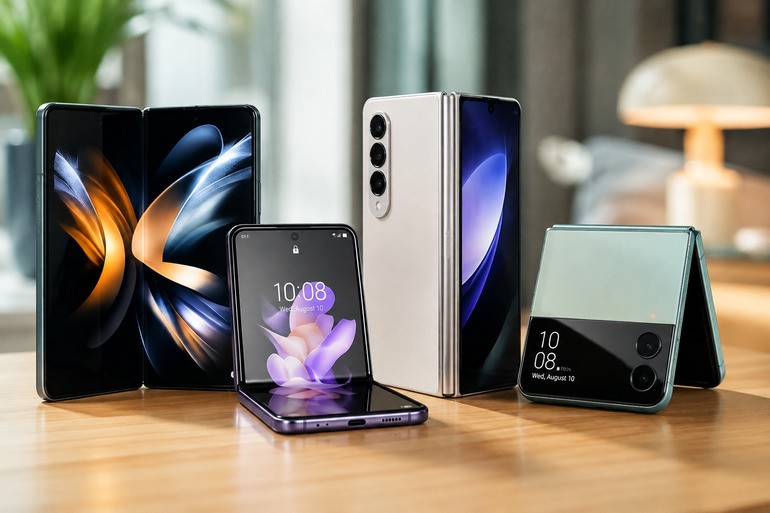

Foldable phones spent years feeling like a niche experiment. That’s changing fast. The category is finally moving from “interesting idea” to something a lot more buyers actually want, and the numbers back that up.
Counterpoint Research expects global foldable shipments to grow 20% year-over-year in 2026, with Apple’s expected entry into the category cited as a major driver.
IDC goes even further, projecting 30% growth this year alone, a trend that lines up with what we already covered in our Made by Google 2026 preview.
So what’s actually pulling more people toward folding screens? Here’s a closer look.
1. Apple Entering The Category
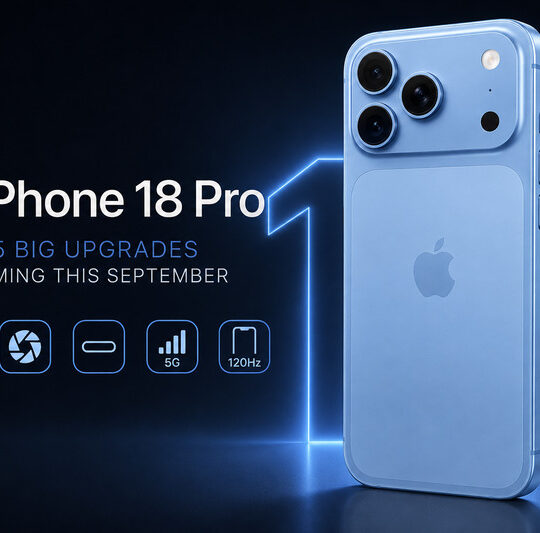
Nothing moves a market like Apple showing up late and legitimizing it. Multiple outlets, including MacRumors, report that Apple’s first foldable iPhone, iPhone Duo, which is already available across the world, will be a turning point for the whole segment.
Once Apple enters a category, competitors usually respond with sharper pricing and faster innovation. That ripple effect tends to pull in buyers who were sitting on the fence. It’s the same pattern we saw when Apple joined smartwatches and wireless earbuds years ago.
Samsung And Huawei Still Set The Pace
Apple may be the headline, but Samsung and Huawei are still doing most of the heavy lifting right now. Huawei alone controlled 57% of the global book-type foldable market in the first half of 2026, according to TelecomLead.
Samsung followed with 18%, meaning these two brands alone made up 75% of the market. That kind of dominance usually means faster hardware iteration, since both companies keep pushing new models to defend their lead.
2. Hinges And Durability Finally Caught Up
Early foldables scared people off with fragile screens and creaky hinges. That reputation is fading. Gadget Hacks points out that manufacturers have had nearly eight years to refine hinge design, display protection, and overall build quality since the first mainstream foldables launched.
Newer models now use gearless hinges, tougher glass, and lighter frames that feel closer to a regular phone. Google’s own Pixel 11 Pro Fold is a good example of this shift, and we broke down exactly what changed in our Pixel 11 upgrades breakdown.
3. Prices Are Slowly Becoming More Reasonable
Foldables used to sit far out of reach for most buyers. That gap is narrowing. Research from Mordor Intelligence shows devices in the $1,500 to $1,999 range are actually growing faster than the category average, but flip-style foldables at lower price points are helping pull in a wider audience too.
Cheaper flip phones give hesitant buyers a lower-risk way to try the format before committing to a pricier book-style device. That entry point matters more than people realize.
4. People Finally See The Practical Upside
Foldables aren’t just a party trick anymore. IDC notes that as consumers hold onto their regular phones longer, foldables and even tri-folds have become one of the few things actually motivating people to upgrade.
A bigger inner screen genuinely changes how people read, multitask, and watch video on the go. Once someone gets used to that extra screen space, a regular flat phone can start to feel limiting.
Die Quintessenz
Foldables are no longer chasing hype, they’re finally backed by better hardware, sharper pricing, and Apple’s looming entry into the space. None of this means foldables will replace regular phones anytime soon.
But the direction is clear, and 2026 looks like the year this category stops being a side experiment and starts becoming a mainstream choice.