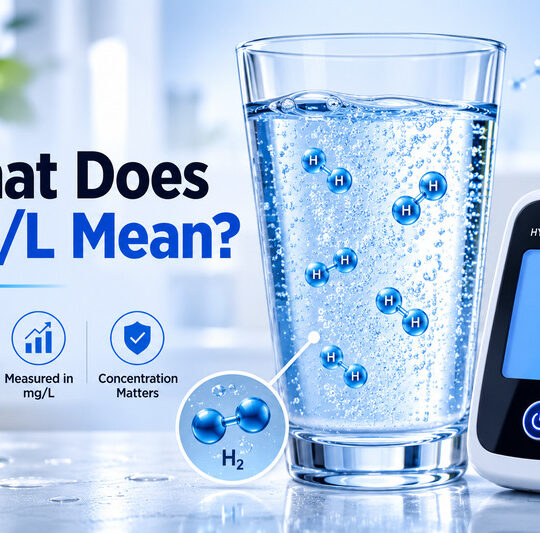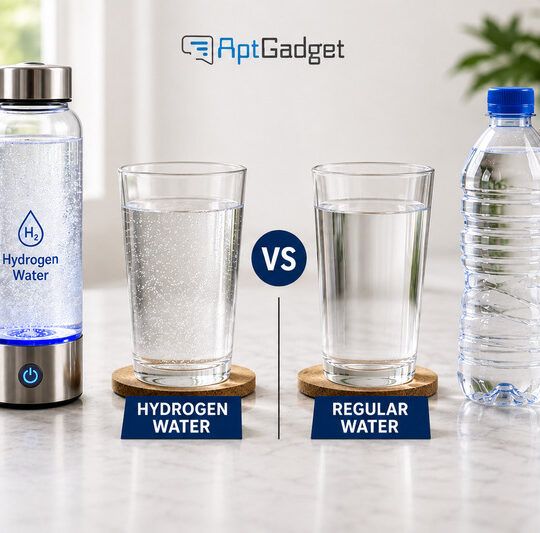

Hydrogen water, ordinary water infused with dissolved molecular hydrogen (H₂), has rapidly shifted from a niche wellness trend into a growing area of scientific and consumer interest. Once associated mainly with biohacking communities, it is now being explored by athletes, researchers, and health-conscious individuals looking for new approaches to everyday hydration.
Today, making hydrogen water at home is no longer limited to a single method. The market offers multiple pathways, each with different levels of convenience and scientific backing.
This guide breaks down the most common methods on how to make hydrogen water at home, how they work, and what you should realistically expect from each option.
How to Make Hydrogen Water: 4 Effective Methods to Try in 2026
There are several distinct ways to create hydrogen-enriched water at home, ranging from simple tablet drops to sophisticated under-sink systems. Each method has its own mechanism, cost, convenience level, and concentration output.
Let’s break down each one in full.
1. Hydrogen Water Generators

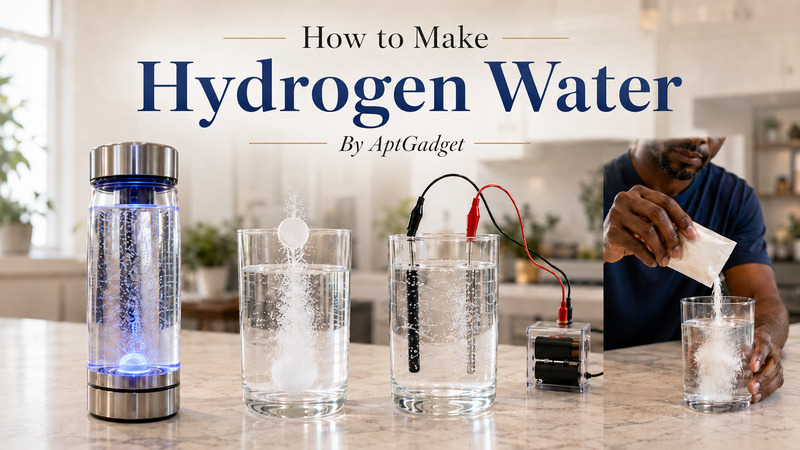
Hydrogen water generators are one of the easiest and most reliable ways for you to make hydrogen water at home. You might also hear them called hydrogen water bottles, machines, or ionizers.
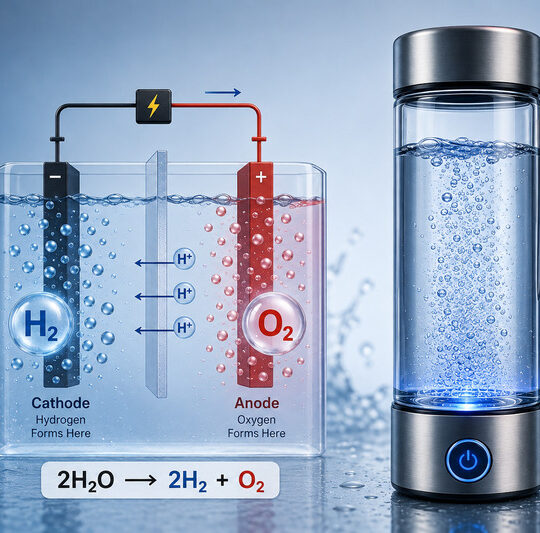
These devices work by using a process called electrolysis. In simple terms, they split water and add extra molecular hydrogen (H₂) into your drinking water.
Most good-quality devices use PEM/SPE membrane technology. This is important because it helps you get clean hydrogen water while filtering out unwanted byproducts like chlorine and ozone. A full cycle usually takes about 3 to 10 minutes. Once it’s done, your hydrogen water is ready to drink.
One important thing to remember: hydrogen doesn’t stay in water forever. It slowly escapes over time. That’s why you’ll get the best results when you drink it right after it’s made.
Types of Hydrogen Water Generators
Before choosing a system for your home, it helps to understand the main types available. Each option works in a similar way by adding hydrogen to water, but they differ in size, setup, and how you use them.
- Hydrogen Water Bottle: A popular choice if you want something simple and portable. You fill the bottle with water, press a button, and wait a few minutes while it does the work for you. This type is useful if you want to make hydrogen water at home, at work, at the gym, or while travelling. It is designed for individual use and small amounts at a time.
- Countertop Generators: If you want to make hydrogen water for more than just yourself, a countertop generator is a good option. You place it on your kitchen counter, and it can produce a full pitcher or jug of hydrogen water at once. It’s more powerful than a bottle device, but it stays in one place and isn’t portable.
- Under-Sink Systems: Under-sink hydrogen water systems are built into your kitchen and connect directly to your water supply. With this setup, you can get hydrogen water straight from a dedicated tap whenever you want it. This is one of the most convenient options because it works instantly and blends into your kitchen setup.
- Hydrogen Bath Systems: Hydrogen bath systems are a bit different. Instead of drinking water, they infuse hydrogen into your bath. You use them for relaxation, skincare, and muscle recovery after exercise. This is not meant for drinking, only for bathing and external use.
Advantages
- You can get high levels of hydrogen depending on your device
- Fresh hydrogen water is ready in just a few minutes
- Good-quality devices help keep your water clean and safe
- You can use them daily without adding anything extra to your water
- There are options for every lifestyle: portable, home, or built-in systems
- Reusable bottles can help reduce plastic waste
Disadvantages
- The upfront cost is higher compared to tablets or ready-made hydrogen water
- You should drink the water soon after making it for the best results
- Portable bottles need regular charging and cleaning
- Quality can vary a lot between brands
- Cheaper devices may not use proper PEM/SPE technology
- Under-sink systems may require installation help
Popular Brands for Hydrogen Water Generators
Below are some commonly known brands in the hydrogen water generator category:
2. Hydrogen Tablets (Drinking Water + Bath Use)

Hydrogen tablets are one of the simplest ways for you to make hydrogen water at home without using any device.
You just drop a tablet into a glass or bottle of water. The tablet reacts with the water (usually magnesium-based), and it releases molecular hydrogen gas (H₂), which dissolves into the water.
The reaction usually takes about 1–2 minutes, and you’ll notice light fizzing while it happens. Once it stops, your hydrogen water is ready to drink.
This method is useful when you want something quick and portable, especially if you’re at home, at work, or traveling.
There are also hydrogen bath tablets, which are different products made for bath use only. You add them to warm bathwater, not drinking water. You can use them for skincare routines or after exercise.
Advantages
- An easy way to make hydrogen water at home
- Highly portable, fits in a pocket, bag, or travel kit
- Low entry-level cost, great for trying hydrogen water affordably
- No device, charging, or setup needed
- Bath tablets open up a skin wellness use case
- Wide availability online and in health stores
Disadvantages
- Hydrogen levels can vary depending on the brand
- Hydrogen escapes quickly
- Some tablets may leave a mild taste
- Results are less consistent than using a machine
Popular Brands for Hydrogen Tablets
Below are some popular brands in the hydrogen water tablets category:
3. DIY Electrolysis (Home Experimental Method)

If you are curious and enjoy hands-on science, you can explore a simple form of hydrogen water production using electrolysis at home. This method works on the same basic principle used in commercial hydrogen water generators: you pass an electric current through water to split it into hydrogen and oxygen gas.
In theory, the hydrogen gas produced can be collected and dissolved into water. However, it’s very important to understand that a DIY setup is not the same as a professional hydrogen water device.
Commercial systems use advanced PEM (Proton Exchange Membrane) technology, safety filters, and carefully controlled engineering to ensure purity and consistent hydrogen levels. A homemade version does not have these protections.
Because of this, DIY electrolysis is best used for education and experimentation only. It helps you understand how hydrogen is produced, but it is not recommended for regular drinking or health purposes.
Equipment Required
To set up a basic experimental system for hydrogen water generation, you would typically need:
- Two electrodes (titanium or platinum are preferred; avoid copper, zinc, or galvanized metals)
- A DC power source (such as a battery pack or low-voltage DC adapter)
- A non-reactive container (glass is safest)
- Distilled or properly filtered water (never use untreated tap water)
- Connecting wires and a basic understanding of electrical safety
Step-by-Step Process on How to Make Hydrogen Water
Step 1: Prepare your container
Take a clean glass container. Avoid plastic or metal containers because they can react during electrolysis.
Step 2: Fill with water
Pour in distilled or properly filtered water only. Do not use tap water, as it may contain chlorine and other additives.
Step 3: Set up the electrodes
Place two electrodes into the water without letting them touch each other. Use titanium or platinum electrodes if possible.
Step 4: Connect the power source
Attach the electrodes to a low-voltage DC power supply (such as a battery or adapter). Ensure all connections are secure and dry outside the water.
Step 5: Start electrolysis
Turn on the power. You should see small bubbles forming at each electrode. This is hydrogen at the negative side and oxygen at the positive side.
Step 6: Observe the reaction
Let the process run briefly while observing gas formation. Do not inhale gases directly or attempt to store them in an unsafe way.
Step 7: Turn off and disconnect
Switch off the power before removing electrodes. Carefully disconnect everything once the reaction stops.
Safety Disclaimer (Read First)
This is a high-risk electrical and gas experiment. Improper setup can produce harmful gases (such as chlorine or ozone), cause electric shock, or lead to contamination.
Do NOT attempt this at home unless you have proper electrical knowledge, supervision, and lab-grade safety conditions.
This is not recommended for children, beginners, or use as a health or hydration method.
4. Hydrogen Functional Drink Mixes

Hydrogen functional drink mixes are powdered products that you stir or shake into water. Unlike hydrogen tablets or generators, these mixes do not usually add molecular hydrogen gas directly to the water.
Instead, they often contain ingredients such as magnesium, alkaline minerals, electrolytes, or antioxidant blends that may support hydrogen production or improve hydration.
They are very convenient to use. You simply open a sachet, pour it into your water, mix well, and drink. However, you should understand that most functional drink mixes are not the same as pure molecular hydrogen water.
Although they may provide extra nutrients and hydration support, the amount of dissolved hydrogen is usually lower and less consistent than what you may get from hydrogen tablets or a hydrogen water generator.
Advantages
- Very easy to use, with no device, equipment, or waiting time
- Often contains electrolytes, vitamins, or minerals for added hydration support
- A practical option if you already use powdered supplements or drink mixes
- Available in many flavours and formulas
Disadvantages
- Usually does not provide the same level of molecular hydrogen as tablets or generators
- Quality, ingredients, and claimed benefits can vary widely between brands
- Some products may contain added sugar, artificial flavours, sweeteners, or other unnecessary ingredients
Popular Brands for Hydrogen Functional Drink Mix
Below are some popular brands in the hydrogen functional drink mix category:
Comparison of 4 Methods to Make Hydrogen Water
| Method | Cost Level | Hydrogen (H₂) Strength | Convenience | Safety Level | Best For | Overall Take |
| Hydrogen Water Generator | High | ⭐⭐⭐⭐⭐ (Very High & consistent) | High (fast, automated) | High (when PEM/SPE-based) | Daily home use & long-term users | Best overall method |
| Hydrogen Tablets | Low–Medium | ⭐⭐⭐⭐ (Moderate, varies by brand) | Very High (just drop & mix) | Moderate | Beginners & travel use | Best budget-friendly option |
| DIY Electrolysis | Low | ⭐⭐ (Unstable & unmeasured) | Low (setup required) | Low (risk of byproducts) | Educational/science experiments | ⚠️ Not for drinking use |
| Functional Drink Mixes | Low–Medium | ⭐⭐⭐(Indirect or inconsistent H₂) | Very High (instant mix) | Moderate | Supplement lifestyle users | Convenience-first option |
Safety, Product Quality, and Responsible Use
When you are learning how to make hydrogen water at home, it’s important to understand that safety, product quality, and proper usage all play a key role in getting consistent and reliable results.
Hydrogen-rich water is generally considered low risk when it is produced correctly using a purpose-built device or a tablet intended for drinking water. Human studies have generally reported good tolerance and few serious safety concerns.
However, research is still developing, and there is not enough long-term evidence to establish an ideal daily amount or confirm benefits for every person.
Hydrogen water should be treated as a wellness product rather than a medical treatment. It should not replace ordinary drinking water, a balanced diet, prescribed medication, or advice from a qualified healthcare professional.
Possible Reactions
Research has not identified a consistent pattern of side effects caused specifically by dissolved molecular hydrogen. However, individual products can contain other ingredients, including magnesium, minerals, flavourings, sweeteners, or electrolytes. Any discomfort may therefore be related to the product’s full formula rather than hydrogen itself.
Stop using a product if you feel unwell after drinking it. You should also speak with a healthcare professional before using hydrogen products regularly if you:
- Are pregnant or breastfeeding.
- Have a chronic health condition.
- Follow a medically restricted fluid, sodium, potassium, or magnesium intake.
- Take prescription medication.
- Are considering hydrogen water for a specific health condition.
Use and Storage
Molecular hydrogen gradually escapes after the water is produced or the container is opened. For the most consistent hydrogen concentration, prepare only the amount you plan to drink and consume it promptly.
Follow the product’s storage instructions and avoid assuming that water stored for long periods still contains the concentration shown on the label.
Overall, properly produced hydrogen water appears to be well tolerated by most healthy adults, but product quality, added ingredients, and the preparation method all matter. Current evidence is promising but limited, so health claims should be presented carefully rather than as proven medical outcomes.
Die Quintessenz
When you are exploring how to make hydrogen water at home, there is no single method that works best for everyone. The right choice depends on your lifestyle, budget, and how consistently you want to produce hydrogen-rich water.
- Beginners may find bottled hydrogen water or tablets to be the easiest starting point.
- Regular home users will usually benefit most from a hydrogen water generator due to its convenience and consistent hydrogen production.
- Advanced users seeking whole-home solutions may prefer countertop or under-sink hydrogen systems.
While DIY electrolysis can be educational, dedicated hydrogen water devices remain the safest and most reliable option for long-term use.
If you’re ready to start making hydrogen-rich water at home, you may explore the latest hydrogen water generators.